
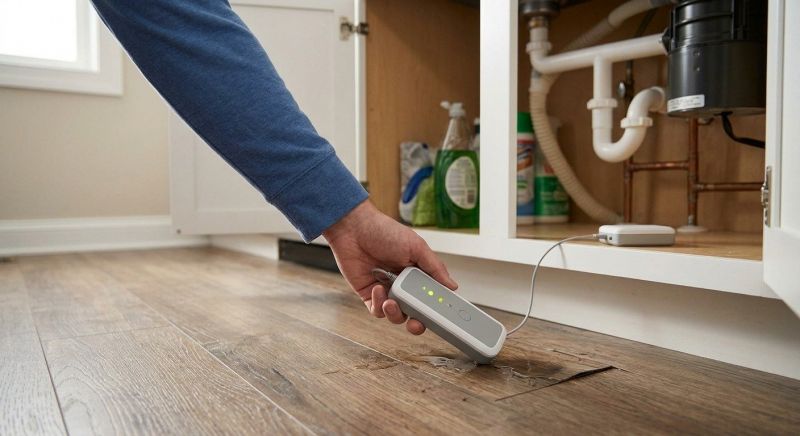
Water Leak Detection in Denver, CO
Water leak detection services involve identifying hidden leaks within plumbing systems, walls, floors, or underground pipes. These services are often requested for projects such as detecting leaks behind walls, under slabs, or within underground piping, especially when visible signs like water stains, mold, or unexplained increases in water bills appear. Property owners typically want to understand the location and extent of a leak before proceeding with repairs, ensuring that invasive or costly demolition can be minimized and that the leak is addressed efficiently.
Homeowners and property owners should consider what areas might be affected and whether there are any signs of water damage or unusual moisture. Clarifying the scope of the project and understanding the types of detection methods used can help in making informed decisions. Proper leak detection can prevent further property damage, reduce water waste, and support timely repairs, making it a valuable step in maintaining property integrity.
Many property owners in Denver, CO look into Water Leak Detection for repairs, replacements, upgrades, and appearance-related improvements.
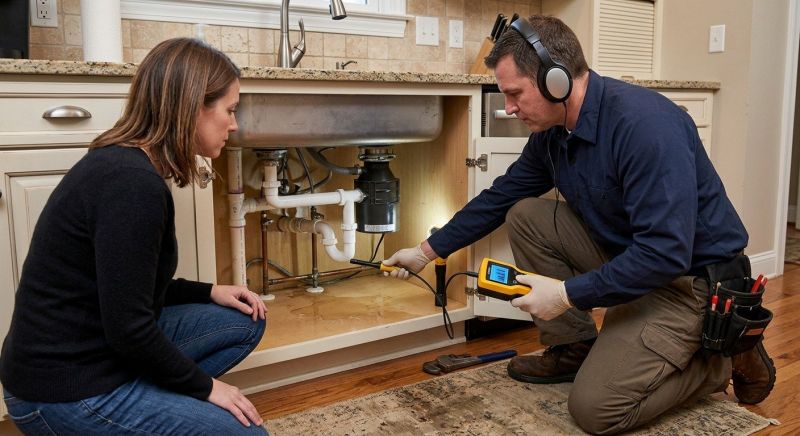
Identifying Hidden Leaks
Advanced detection methods help locate leaks behind walls or underground.
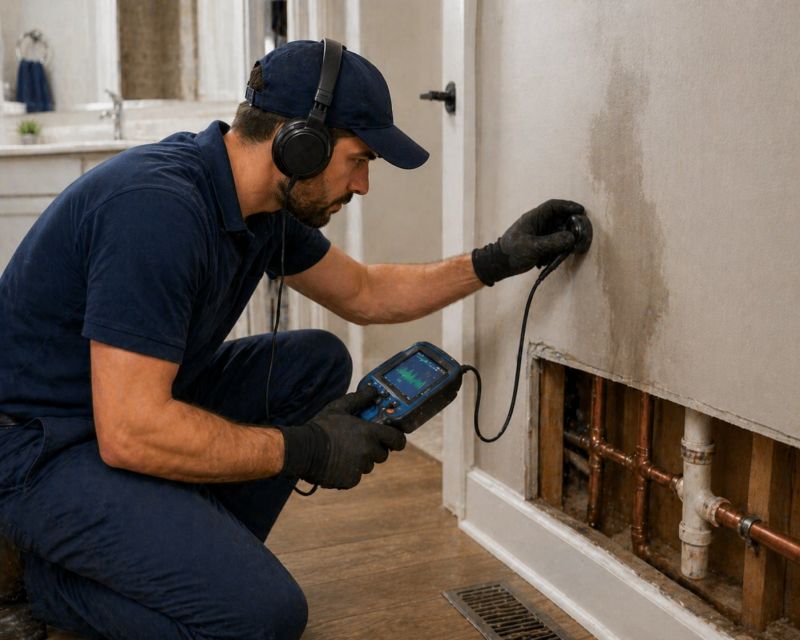
Preventing Water Damage
Early leak detection can minimize structural damage and costly repairs.
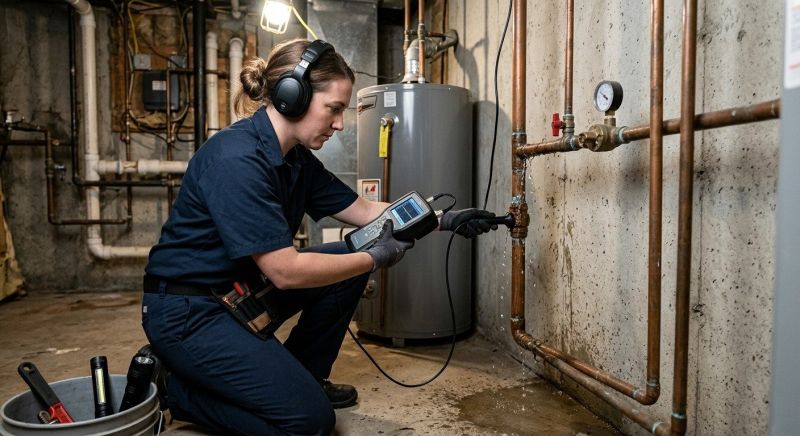
Detecting Plumbing Issues
Services can identify leaks in residential and commercial plumbing systems throughout denver and nearby areas.
Water Leak Detection in Denver, CO
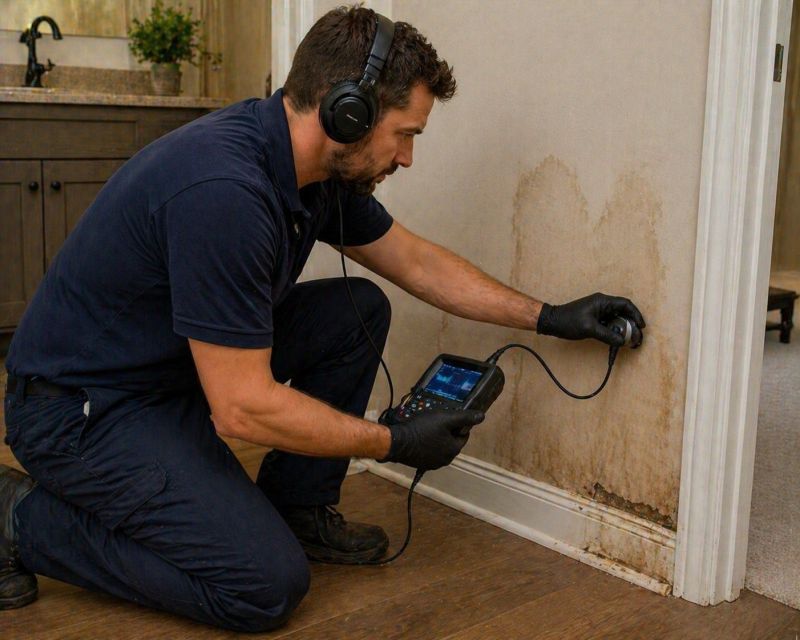
Water leak detection services involve identifying hidden leaks within plumbing systems, walls, floors, or underground pipes. These services are often requested for projects such as detecting leaks behind walls, under slabs, or within underground piping, especially when visible signs like water stains, mold, or unexplained increases in water bills appear. Property owners typically want to understand the location and extent of a leak before proceeding with repairs, ensuring that invasive or costly demolition can be minimized and that the leak is addressed efficiently.
Homeowners and property owners should consider what areas might be affected and whether there are any signs of water damage or unusual moisture. Clarifying the scope of the project and understanding the types of detection methods used can help in making informed decisions. Proper leak detection can prevent further property damage, reduce water waste, and support timely repairs, making it a valuable step in maintaining property integrity.
Many property owners in Denver, CO look into Water Leak Detection for repairs, replacements, upgrades, and appearance-related improvements.
Common Water Leak Detection Jobs
Residential plumbing inspections - detecting hidden leaks behind walls and under floors.
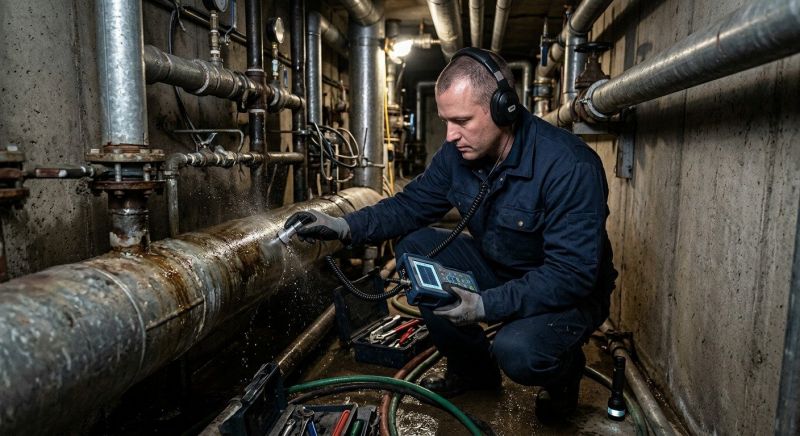
Basement and crawl space leak detection - identifying moisture sources that can cause structural damage.
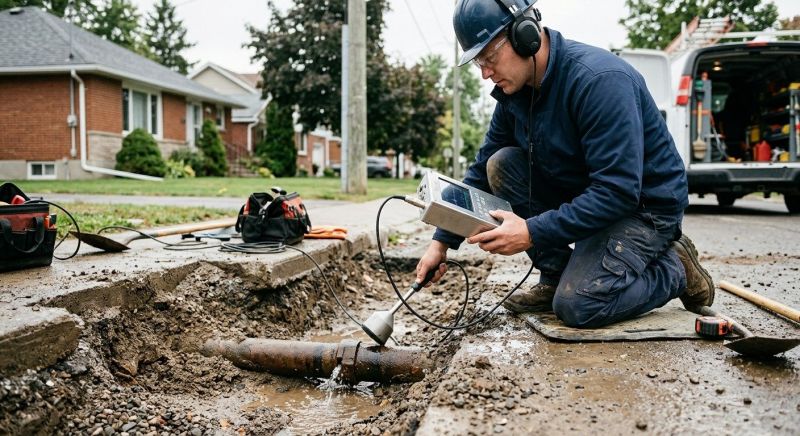
Water line leak detection - pinpointing leaks in underground or exposed water supply lines.
Fixture and appliance leak detection - identifying leaks from sinks, toilets, water heaters, and appliances.
Commercial property leak detection - locating leaks in larger plumbing systems to prevent costly damage.
Emergency leak detection services - quickly identifying active leaks to minimize water damage.
Water Leak Detection Questions
How can I tell if I have a water leak? Signs include unexplained increases in water bills, damp spots on walls or floors, and the sound of running water when no fixtures are in use.
What areas are typically checked during leak detection? Common areas include plumbing behind walls, under floors, in basements, and around appliances that use water.
Is water leak detection invasive? Techniques vary, but many methods are non-invasive, using specialized equipment to locate leaks without damaging property surfaces.
Why is early leak detection important? Detecting leaks early helps prevent water damage, mold growth, and costly repairs down the line.
Request Water Leak Detection in Denver, CO
Use the quote form on this page to share the basics of your project and request more information for the type of work you need.